

Co pít při horečce: co skutečně pomáhá dětem a co je špatný nápad
When a child has a fever, the most important thing isn’t just lowering the temperature—it’s keeping them hydrated, the process of replacing fluids lost due to increased body temperature and reduced intake. Also known as maintaining fluid balance, proper hydration helps the body fight infection and prevents dangerous complications like dehydration, a condition where the body loses more fluids than it takes in, leading to fatigue, dry mouth, and reduced urine output.
Many parents think juice or soda will help, but sugary drinks can actually make things worse. Sugar draws water into the intestines, which can worsen diarrhea or reduce appetite. The same goes for tea with honey—while it might feel soothing, it doesn’t replace lost electrolytes and isn’t recommended for children under one year. What works best? Oral rehydration solutions, specialized liquids containing balanced salts and sugars designed to restore fluids and minerals lost during fever. These are available over the counter and are far more effective than plain water alone. For younger kids, small sips every 10–15 minutes work better than big gulps. Older children can drink water, diluted apple juice, or even ice chips if they’re refusing liquids.
Don’t wait until your child is dry-mouthed or hasn’t peed in 6–8 hours to act. Signs of early dehydration include fewer wet diapers, crying without tears, and listlessness. If your baby is under three months and has a fever, even mild signs of dehydration mean you should call a doctor immediately. For older kids, if they’re not drinking at all, vomiting repeatedly, or seem unusually sleepy, don’t wait—get help. Fever doesn’t always mean you need medicine. Sometimes, just keeping fluids moving through the system is enough to help the body recover.
And yes, breast milk or formula still counts as hydration. If your baby is nursing or bottle-feeding normally, you’re already doing the right thing. No need to force extra water unless advised. For toddlers and older kids, popsicles made from rehydration solutions can be a clever trick—especially if they’re too tired to sip. The key is consistency, not quantity. A few teaspoons every 10 minutes adds up.
What you should avoid: energy drinks, coffee, undiluted fruit juice, and sports drinks (they’re too high in sugar and sodium for kids). Plain water is fine, but alone it doesn’t replace lost salts. That’s why rehydration solutions are the gold standard. And if your child has diarrhea along with fever, that’s when hydration becomes even more critical—fluid loss happens fast.
In the posts below, you’ll find real-life examples of how other parents handled fever and hydration, what worked, what didn’t, and when to worry. From spotting early signs of dehydration in newborns to choosing the right drink for a 5-year-old who refuses everything, these aren’t theoretical tips—they’re what works in real homes. You’ll also learn how fever changes fluid needs depending on age, activity, and whether it’s paired with vomiting or diarrhea. No fluff. Just clear, practical advice from pediatricians and parents who’ve been there.
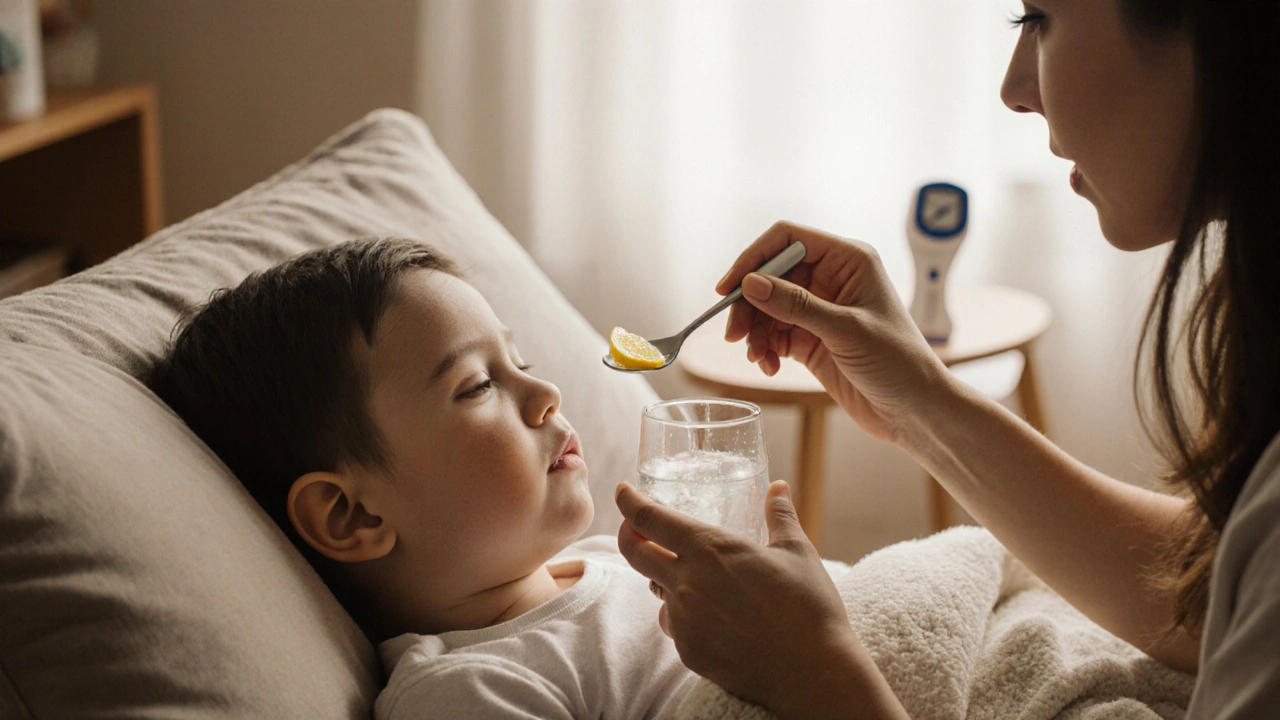
Co jíst a pít při horečce u dětí: praktické rady pro rodiče
Co jíst a pít při horečce u dětí? Voda je nejdůležitější. Lehká jídla jako polévky, rýže a banány pomáhají, těžké a sladké potraviny ne. Více než jídlo potřebuje dítě hydrataci a odpočinek.