

Horečka u novorozenců: co dělat, když má dítě teplotu a kdy jít k lékaři
When a newborn has a fever, it’s not just a cold—it’s a red flag. horečka u novorozenců, teplota nad 38 °C u dítěte mladšího 3 měsíců. Also known as novorozenecká horečka, it is one of the most urgent signs in pediatric care. Unlike older children, babies this young can’t fight off infections on their own. Their immune systems are still developing, and even a small virus or bacteria can turn dangerous in hours. That’s why any fever in a newborn needs immediate attention—even if they seem calm, eat well, or don’t look sick.
Many parents think a high temperature always means a serious infection, but that’s not the whole story. teplota u novorozence, měřená rectálně nebo v axilární jamce is the most reliable indicator. A reading of 37.5–38 °C might be normal after a bath, in a warm room, or after crying. But once it hits 38 °C or higher, you’re in the danger zone. Don’t wait for other symptoms. Don’t give fever reducers first. Call your pediatrician or go to the ER. The most common causes? Urinary tract infections, meningitis, pneumonia, or even something as simple as an overheated blanket. But you won’t know which one it is without tests.
What you can do right now: remove excess clothes, offer breast milk or formula more often (hydration matters more than food), and use a digital thermometer for accurate readings. Never use alcohol rubs, ice packs, or aspirin. Avoid home remedies. This isn’t the time for guesswork. pediatrická péče, specializovaná péče o novorozence s horečkou requires lab work—blood, urine, sometimes spinal fluid. Hospitals have protocols for this exact scenario. Even if your baby seems fine, the risk of missing a serious infection is too high.
You’ll find articles here that explain how to tell the difference between harmless overheating and true fever, how to measure temperature correctly, and what tests doctors actually run. You’ll also learn when a fever after vaccination is normal and when it’s not. There are no shortcuts when it comes to newborns. What looks like a small spike in temperature could be the first sign of something life-threatening. The goal isn’t to scare you—it’s to give you clear, practical steps so you act fast, stay calm, and get your baby the care they need before it’s too late.
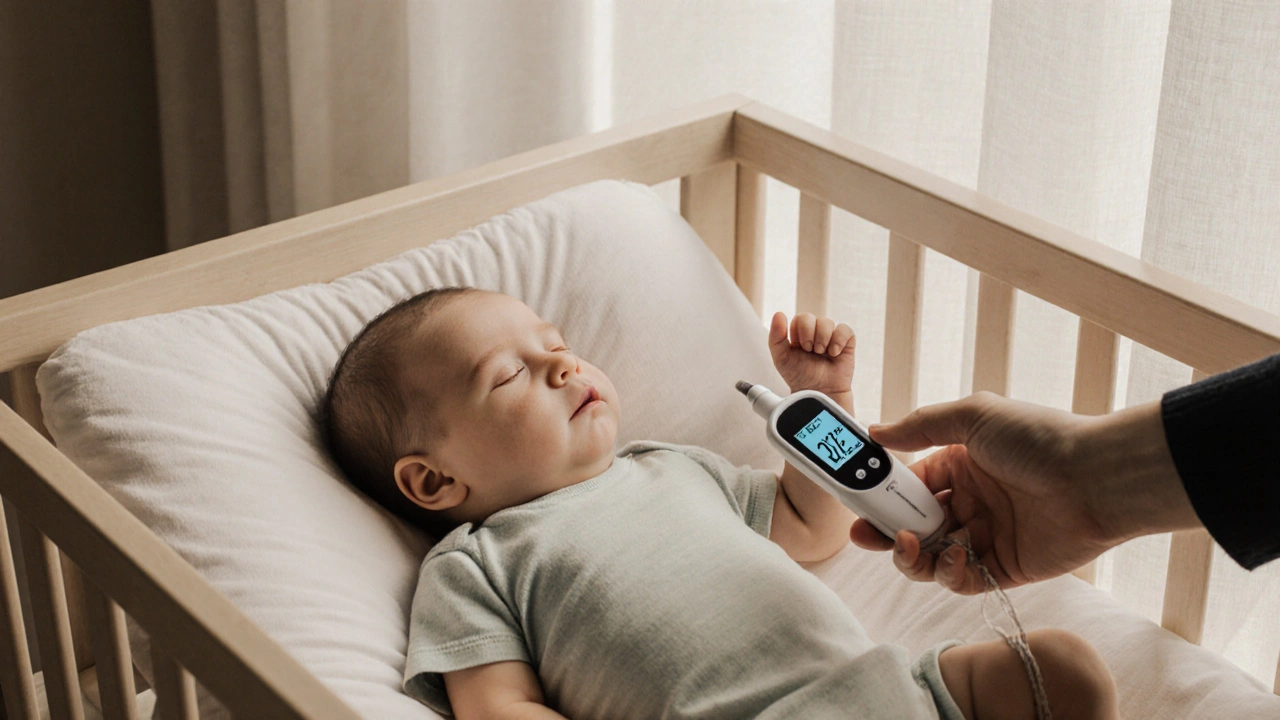
Jakou teplotu mají mít kojenci? Praktický průvodce normálními a nebezpečnými hodnotami
Normální teplota kojence je mezi 36,5 a 37,5 °C. Horečka se považuje za teplotu nad 38,0 °C. U novorozenců do 3 měsíců je každá horečka důvodem k okamžitému kontaktu s lékařem.
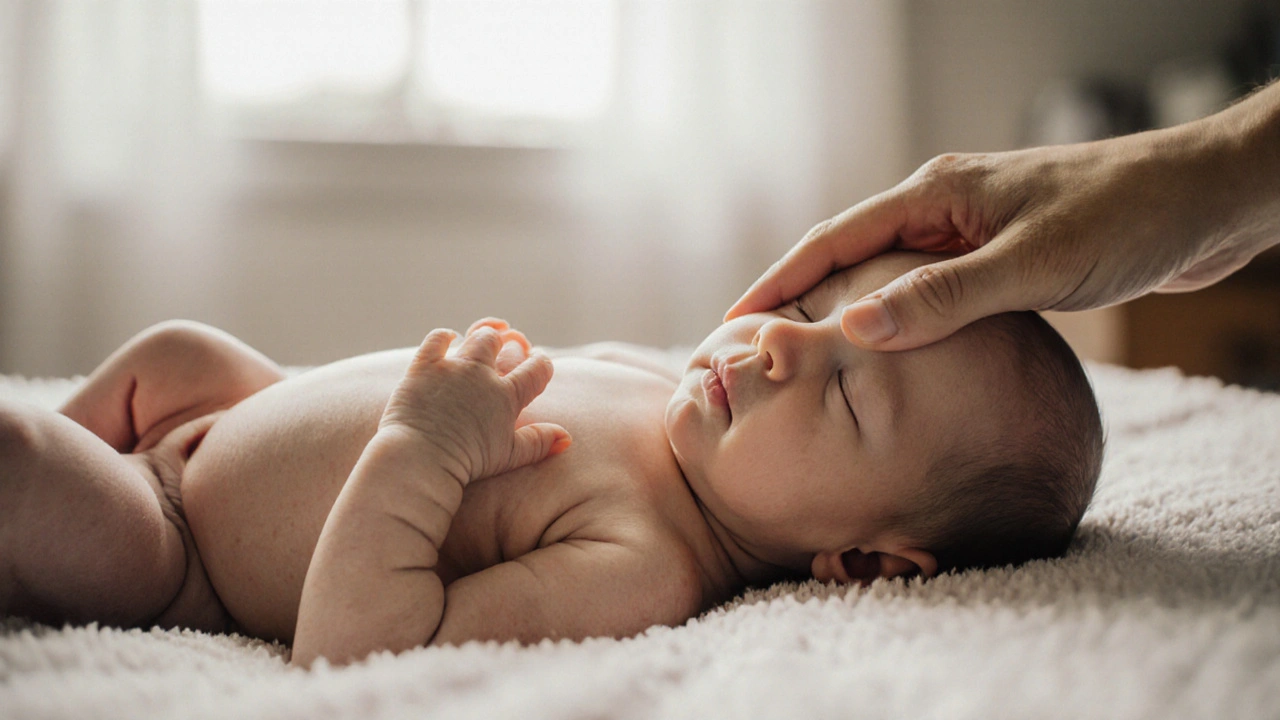
Jak poznat, že je miminku horko: přesné příznaky a co dělat
Jak poznat, že je miminku horko bez teploměru? Zjistěte 7 klíčových příznaků horečky u kojenců, co dělat při podezření a kdy je nutné okamžitě zavolat lékaře. Praktické rady pro rodiče.