

Pohotovost pro děti: co dělat při náhlé nemoci a kdy jít k lékaři
When your child suddenly gets a high fever, a strange rash, or can't stop vomiting, you don't have time to search the internet—you need to know what to do pohotovost, nemocniční služba, která poskytuje okamžitou lékařskou pomoc mimo běžné pracovní hodiny. Also known as dětská pohotovost, it is the safety net for parents when normal clinics are closed and your child’s condition feels scary. Most of the time, kids get better with rest, fluids, and paracetamol. But sometimes, a fever isn’t just a fever—it’s a sign something deeper is going on.
horečka u dětí, tělesná teplota nad 38 °C, která je často reakcí na infekci is the most common reason parents rush to pohotovost. But not every fever needs emergency care. For babies under 3 months, any fever over 38 °C is a red flag—call immediately. For older kids, look at how they behave. If they’re drinking, responsive, and not struggling to breathe, you can usually wait until morning. But if they’re lethargic, have blue lips, or won’t stop crying, don’t wait. vyrážka u dětí, kožní změna, která může být příznakem virové infekce, alergie nebo reakce na očkování is another big worry. A rash that doesn’t fade when you press on it, spreads fast, or comes with high fever and stiff neck? That’s not just a rash—it could be meningitis. And očkování, prevence proti vážným nemocem jako spalničky, zarděnky nebo příušnice doesn’t just protect your child—it protects the whole community. Even if your child had a reaction after a shot, that doesn’t mean you should skip future vaccines. Most reactions are mild: a sore arm, low fever, crankiness for a day. Serious ones are extremely rare.
You don’t need to panic every time your child feels off. But you do need to know the difference between "this will pass" and "this needs help now." The posts below cover exactly that: how to spot warning signs in fever, rash, vomiting, or breathing trouble. You’ll find out what to do at home, when to call an ambulance, and why some symptoms look scary but are totally normal. No fluff. Just clear, real-life advice from pediatricians who’ve seen it all.
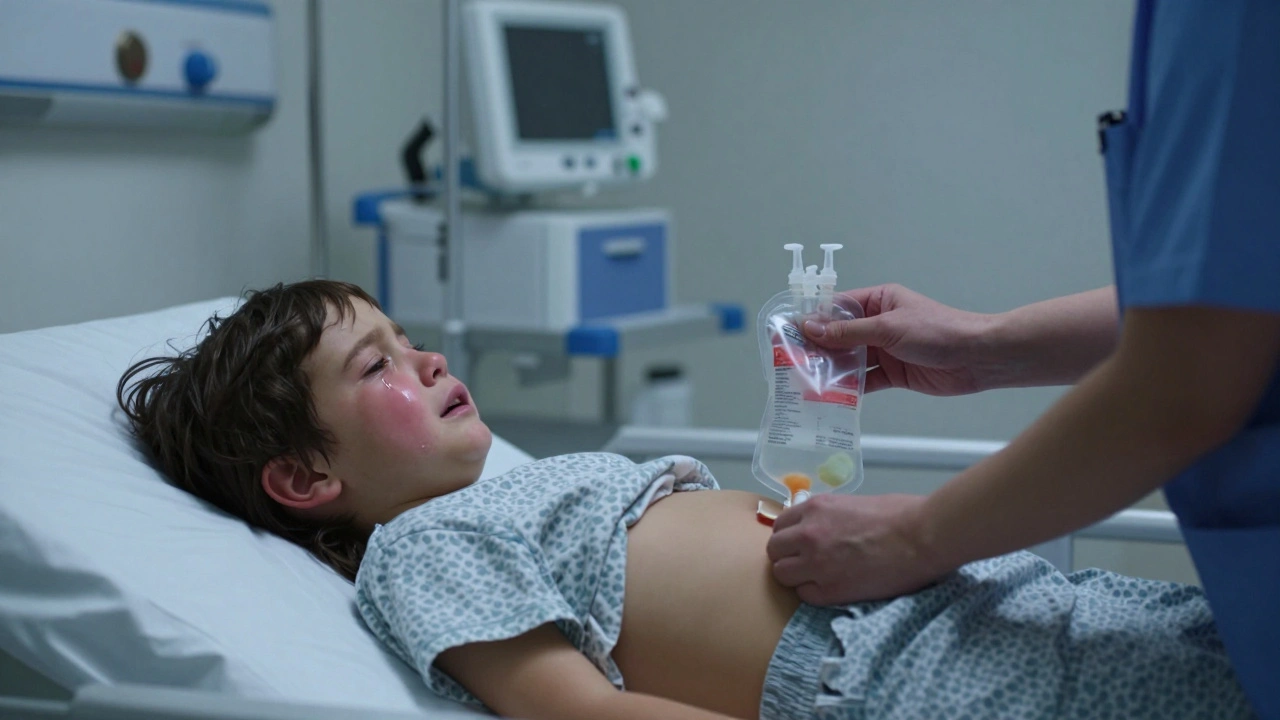
Kdy jet na pohotovost se zánětem močových cest u dítěte?
Zánět močových cest u dítěte může být nebezpečný, pokud ho nevčas rozpoznáte. Zjistěte, kdy jet na pohotovost, jak se projevuje a jak předcházet opakování. Včasná léčba zabraňuje poškození ledvin.